EVERLASTING ACADEMY
📚 OUR ACADEMIC PROGRAMS
Structured Excellence. Disciplined Scholarship. Proven Academic Growth.
At Everlasting Academy, academic achievement is cultivated through structure, intellectual rigor, and a disciplined boarding environment. Our curriculum is aligned with the national revised secondary education framework and is carefully implemented to ensure depth of understanding, analytical maturity, and examination mastery. From Ordinary Level to Advanced Level, our academic system builds progressive intellectual development, preparing students for distinguished higher education pathways and professional futures.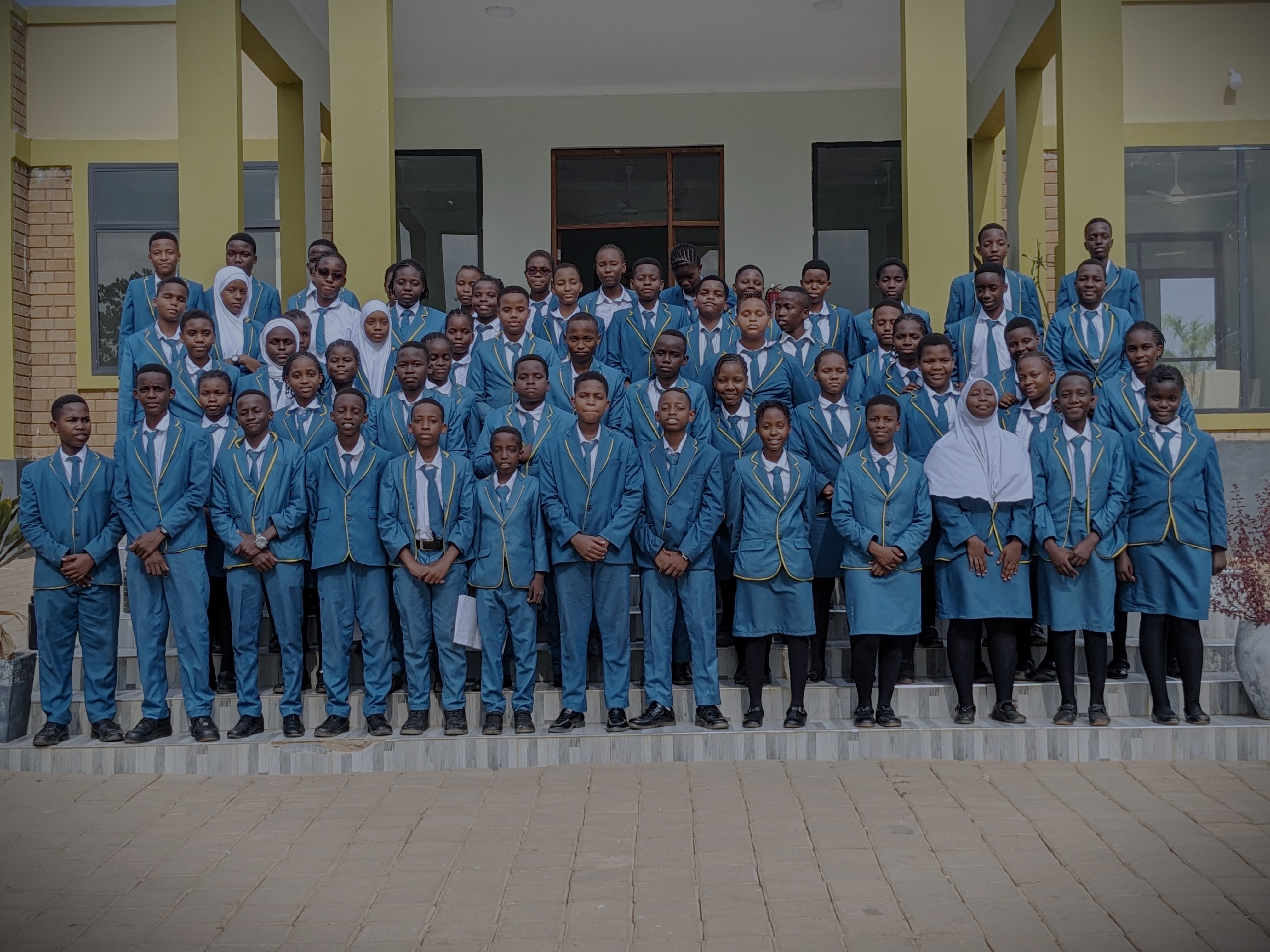
ORDINARY LEVEL PROGRAMME (Form I – IV)
Mastery Under the Revised Curriculum Framework
The Ordinary Level programme provides a comprehensive academic foundation structured according to the national curriculum requirements. Students undertake compulsory core subjects alongside selected electives that develop analytical, scientific, linguistic, and commercial competence..1. Physics Education
Master fundamental mechanics, energy and electricity through theory and guided laboratory work. Builds quantitative reasoning and problem-solving for science and engineering pathways.
2. Chemistry Education
Learn atomic structure, reactions and safe laboratory practice with clear experimental reporting. Prepares students for analytical thinking required in health, environment and chemical fields.
3. Biology Education
Study cell biology, physiology and ecology with practical lab and field observation. Develops scientific method skills relevant to health and life-science careers.
4. Integrated Science Practicals
Hands-on experiments emphasise measurement, error analysis and scientific reporting. Strengthens practical competence for national practical assessments.
Mathematics & Analytical Studies
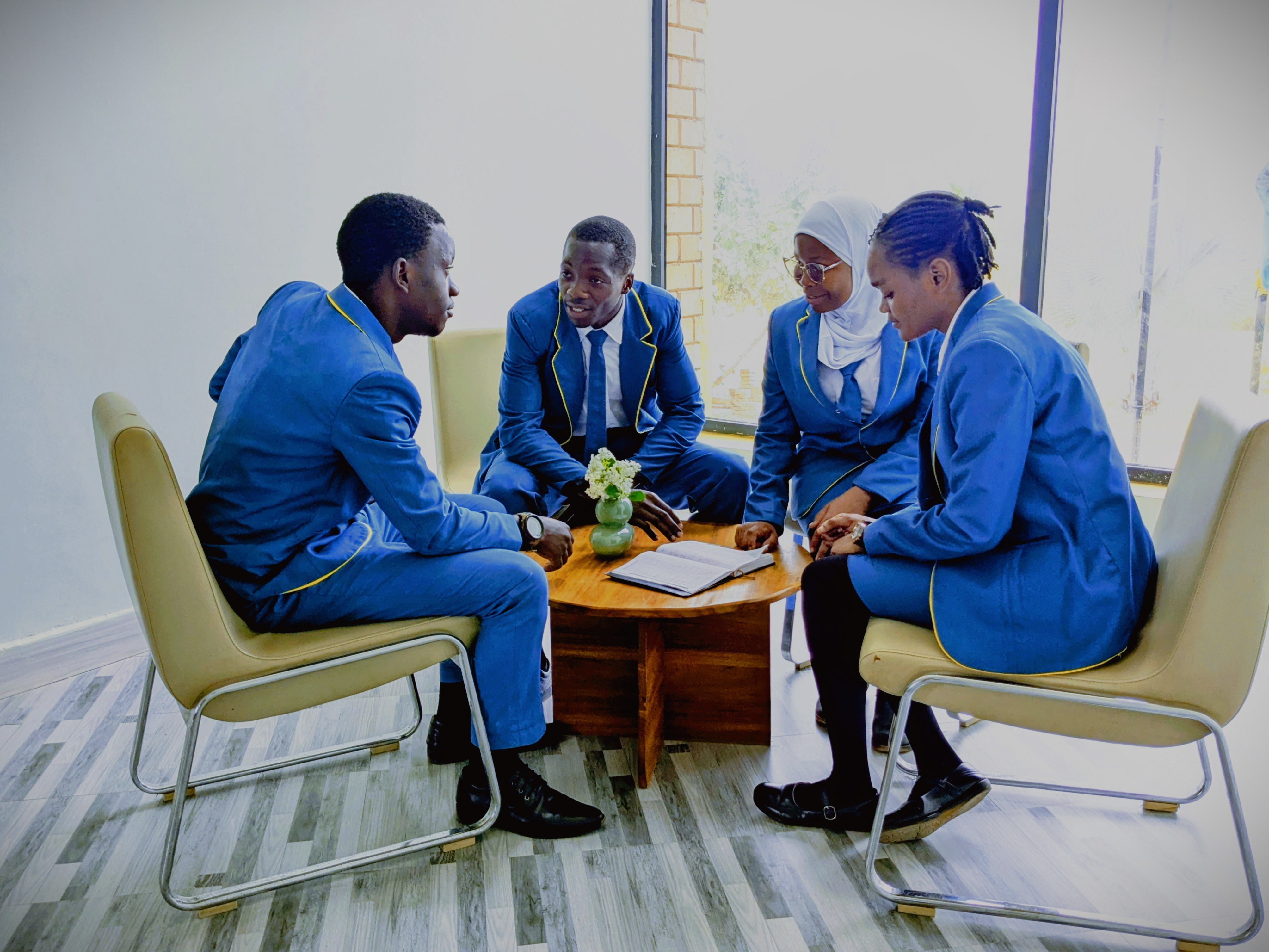
This area of study is designed to strengthen students’ logical reasoning, quantitative skills, and problem-solving abilities. It forms the backbone of the Ordinary Level programme by ensuring learners can approach challenges with precision and analytical depth.
1. Mathematics Test Preparation
Designed to sharpen logical precision and fluency for success in school tests, inter-regional competitions, and national examinations.
2. Problem-Solving & Logical Reasoning
Structured exercises and drills develop adaptable reasoning strategies. Enhances exam resilience and cognitive flexibility.
3. Applied Mathematics Skills
Applies mathematics to real contexts — finance, measurements and simple models. Supports entrepreneurship and commerce subjects with practical numeracy.
4. Classroom Study & Hands-On Practices
Emphasizes active learning through guided exercises, collaborative problem-solving, and real-world applications.
Language & Communication Studies
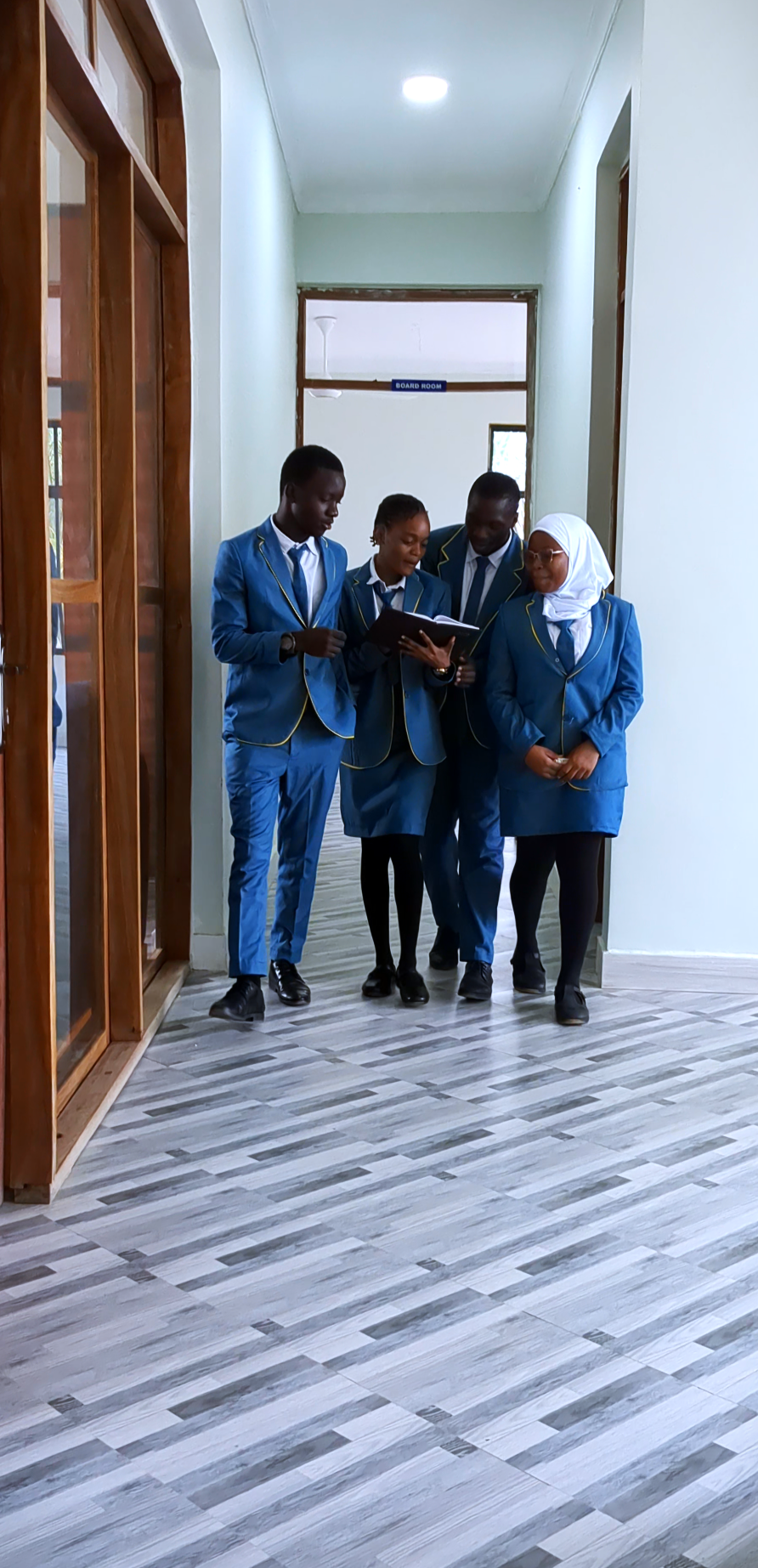
Comprehensive development of linguistic precision, articulation, and intercultural fluency across academic and professional contexts. Cultivates confident expression, persuasive dialogue, and refined communication for leadership and global engagement.
1. Mandarin (Chinese) Language Studies
Structured learning of spoken Mandarin, character writing and cultural foundations. Builds global communication skills for international trade, diplomacy and academic exchange.
2. English Language Mastery
Focused training in grammar, comprehension and academic composition. Strengthens clarity of expression for school and higher study.
3. Public Speaking & Debate Skills
Regular practice in speechcraft and structured debates builds persuasive confidence. Develops leadership presence and civic engagement.
4. Academic Writing Skills
Practical lessons in essay structure, referencing and report-writing. Prepares students for rigorous Advanced Level coursework.
Social & Civic Studies
Explores history, geography, governance, and ethical responsibility to build informed, responsible citizens. Develops analytical thinking, civic awareness, and leadership skills for community and national impact.
1. History Studies (historiya ya Tanzania na Maadili)
SCritical study of national and global history with source evaluation. Promotes analytical thinking about cause, consequence and context.
2. Geography Studies
Physical and human geography plus map-work and spatial awareness. Prepares students for environmental and planning-related fields.
3. Civics & Citizenship Education
Teaches governance, rights and civic responsibility through project work. Cultivates ethical, community-minded leadership.
4. Environmental Studies
Sustainability themes and practical local conservation projects. Encourages stewardship and applied environmental thinking.
Commercial & Technology Studies
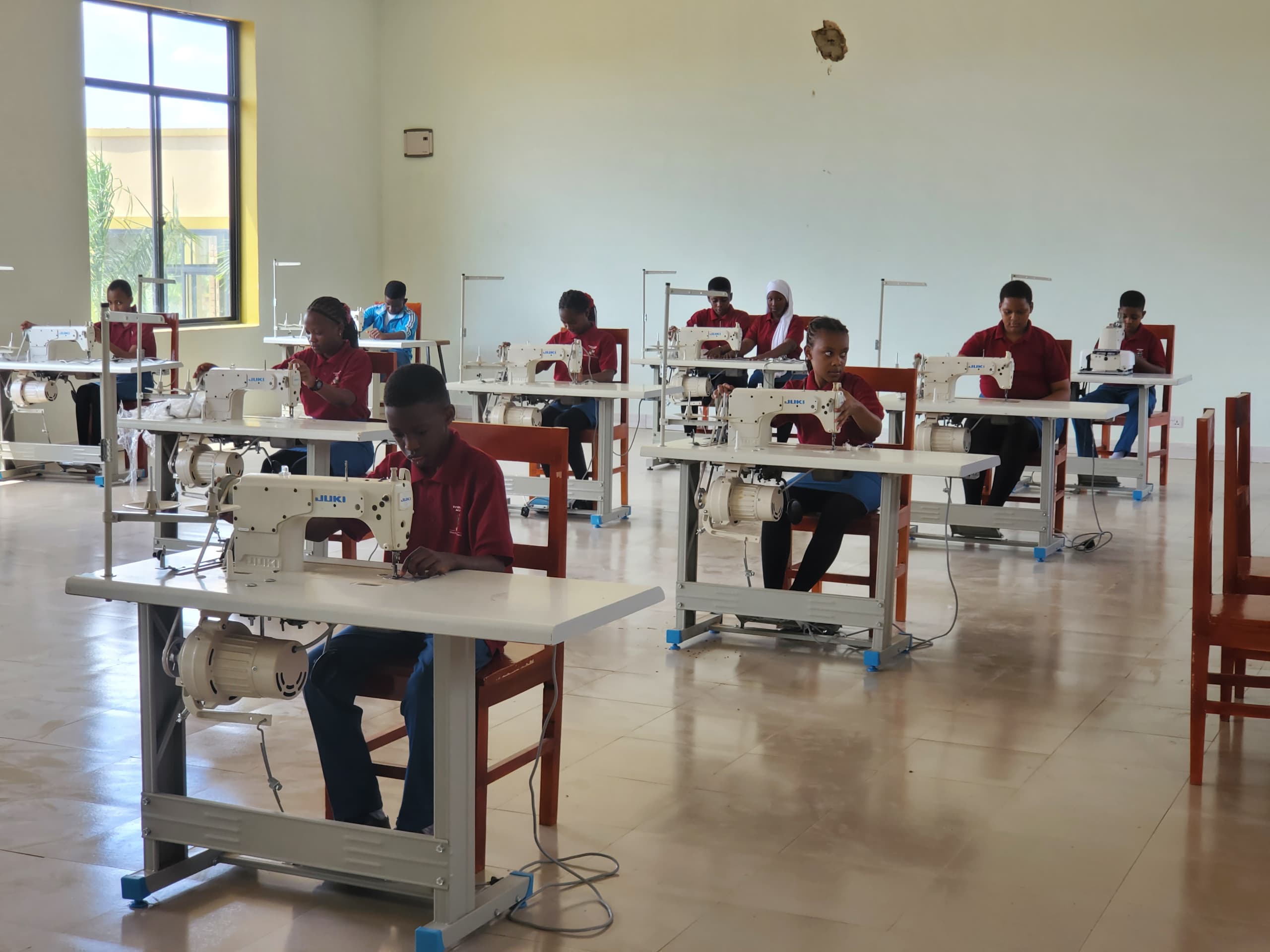
Covers trade, entrepreneurship, financial literacy, and ICT skills to equip students for modern commerce. Builds practical business acumen, digital competence, and innovative problem-solving for real-world applications.
1. Commerce Education
Fundamentals of trade, markets and small business operations. Introduces entrepreneurial thinking and commercial awareness.
2. Bookkeeping & Financial Literacy
Practical double-entry basics, budgeting and personal finance skills. Equips students for responsible fiscal decision-making.
3. Computer Studies
Core ICT skills: word processing, spreadsheets and basic programming logic. Builds digital fluency for academics and enterprise.
4. Entrepreneurship Foundations
Idea development, simple business plans and pitch practice. Encourages feasible start-up thinking and initiative.

A-Level Combinations
PCM: Physics, Chemistry, Mathematics — Engineering & Physical Sciences.
PCB: Physics, Chemistry, Biology — Medicine & Life Sciences.
CBG: Chemistry, Biology, Geography — Environmental & Health Sciences.
HGL: History, Geography, Language — Law, Education & Humanities.
EGM: Economics, Geography, Mathematics — Economics, Planning & Finance.
ECA: Economics, Commerce, Accounting — Business & Finance pathways.